Egypt Proposes Sugar-Sweetened Beverage Tax to Promote Healthier Lifestyles
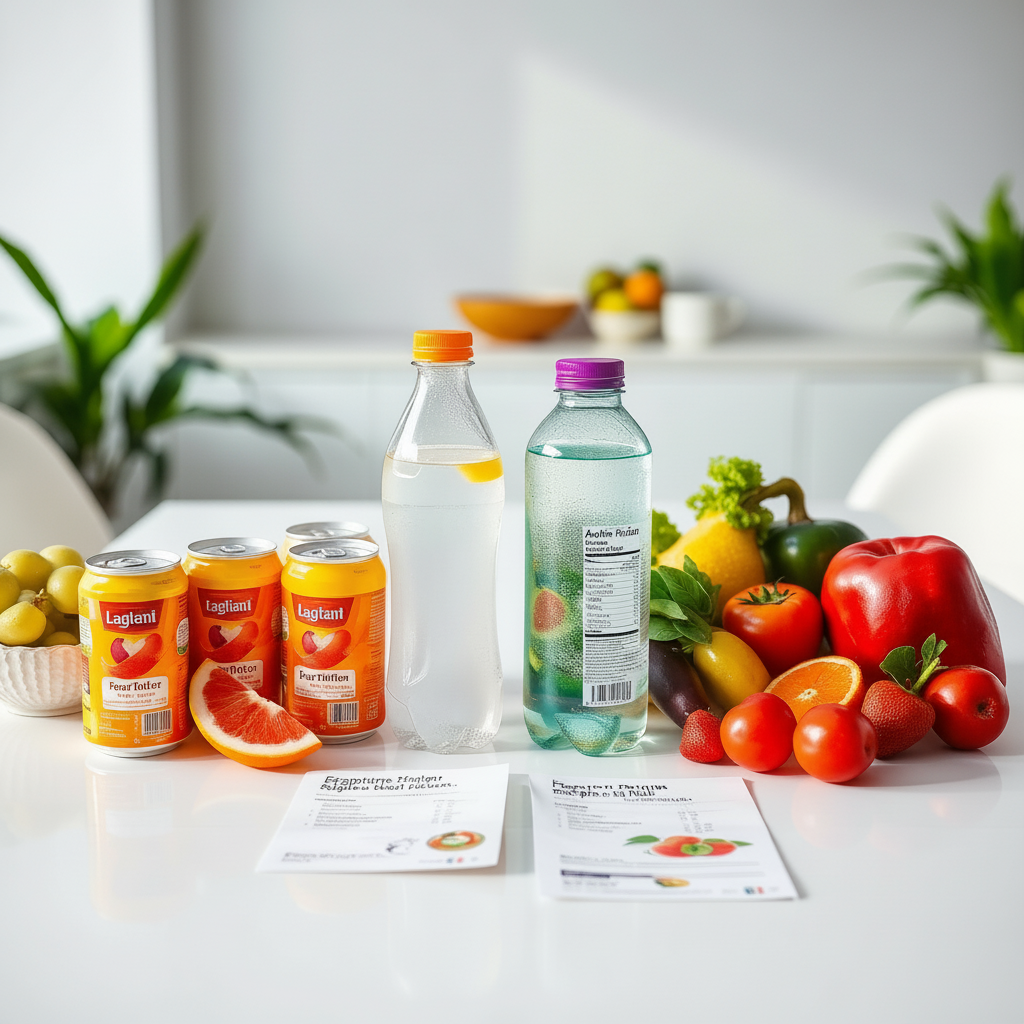
Egypt's Ministry of Health, in collaboration with the Ministry of Finance, proposes a tiered tax on sugar-sweetened beverages aligned with WHO recommendations. The initiative aims to discourage excessive sugar consumption, encourage healthier choices, and support national health programs through sustainable funding.
Egypt is taking a bold step toward improving public health by proposing a comprehensive tiered tax on sugar-sweetened beverages (SSBs). This groundbreaking initiative, led by the Ministry of Health in collaboration with the Ministry of Finance, aligns with World Health Organization (WHO) recommendations and reflects international best practices in public health policy.
Policy Objectives
The proposed sugar tax aims to achieve three interconnected public health and economic goals:
1. Discourage Excessive Sugar Consumption
The primary health objective is to reduce the consumption of sugar-sweetened beverages among Egyptian consumers, particularly addressing the growing concerns about obesity, diabetes, and other non-communicable diseases linked to excessive sugar intake.
- Target reduction in daily sugar consumption per capita
- Address rising rates of obesity and metabolic disorders
- Protect vulnerable populations, including children and adolescents
- Align with WHO guidelines on sugar intake limitations
2. Encourage Healthier Consumer Choices
By implementing a tiered tax structure, the policy creates price incentives for consumers to choose beverages with lower sugar content or switch to healthier alternatives entirely.
- Price differential between high-sugar and low-sugar options
- Support for reformulated products with reduced sugar content
- Promotion of water and unsweetened beverages
- Consumer education on healthier beverage choices
3. Generate Sustainable Health Program Funding
Revenue generated from the sugar tax will be directed toward national health programs, creating a sustainable funding mechanism for preventive health initiatives.
- Dedicated funding for obesity prevention programs
- Support for diabetes screening and treatment initiatives
- Investment in public health education campaigns
- Financing for primary healthcare infrastructure
Proposed Tiered Tax Structure
While specific tax rates are still under review, the proposal follows international models that establish different tax levels based on sugar content:
- Low Sugar Content (0-5g per 100ml): Minimal or no additional tax
- Medium Sugar Content (5-10g per 100ml): Moderate tax rate
- High Sugar Content (10g+ per 100ml): Higher tax rate to create strong price disincentive
Impact on Beverage Industry
For Manufacturers
The proposed tax will create significant incentives for beverage manufacturers to reformulate products:
- Development of reduced-sugar formulations
- Investment in alternative sweetener technologies
- Portfolio adjustments toward healthier beverage options
- Marketing strategy shifts to emphasize low-sugar products
For Importers and Distributors
International brands and local distributors will need to adapt their product offerings:
- Assessment of product portfolio against proposed tax tiers
- Potential need to introduce region-specific formulations for Egypt
- Pricing strategy adjustments to maintain market competitiveness
- Communication plans to address consumer concerns about product changes
International Context and Best Practices
Egypt's proposal follows successful sugar tax implementations in over 50 countries worldwide, including:
- Mexico: 10% tax resulted in 12% reduction in purchases of taxed beverages
- United Kingdom: Tiered levy led to significant product reformulation before implementation
- Saudi Arabia: 50% tax on carbonated drinks and 100% on energy drinks
- United Arab Emirates: Recent introduction of tiered sugar tax system
Current Status and Timeline
The proposal is currently under review by relevant government ministries and stakeholder consultation processes. Key timeline considerations include:
- Stakeholder consultation period with industry representatives
- Legislative review and approval process
- Expected implementation grace period for industry adaptation
- Phased enforcement to allow gradual market adjustment
Strategic Recommendations for Businesses
Companies operating in Egypt's beverage market should take proactive steps:
- Engage in Consultation: Participate in stakeholder discussions to provide industry perspective
- Conduct Portfolio Analysis: Assess potential tax impact on current product range
- Explore Reformulation: Begin research and development for reduced-sugar alternatives
- Monitor Regional Trends: Track similar initiatives in neighboring MENA markets
- Prepare Communication Strategy: Develop messaging for consumers and trade partners
Public Health Implications
If implemented, this policy reflects Egypt's growing commitment to preventive health and nutrition reform. The initiative aligns with broader national strategies to address non-communicable diseases and improve population health outcomes.
The success of this policy will depend on effective implementation, stakeholder cooperation, and sustained public health communication to support behavior change among Egyptian consumers.
Related Insights
UAE Introduces Tiered Sugar Tax System for Sweetened Beverages
The UAE Ministry of Finance and Federal Tax Authority have announced a revolutionary amendment to excise tax on sugar sweetened beverages, introducing a tiered volumetric model that directly links tax value to sugar content per 100ml.
Oman to Reject Halal Certificates from Non-FSQC-Designated Bodies from 1 July 2027
Oman's Food Safety and Quality Center (FSQC) has announced that, from 1 July 2027, Halal Certificates accompanying imported food consignments will not be accepted if issued by a Halal Certification Body that has not been designated by the Center. Importers must verify their certification bodies' designation status before contracting.